Destination Profile
Zanskar Valley Motorcycle Tour | Shinku La, Phugtal Monastery & Singe La Circuit
The Experience
Zanskar sits inside Ladakh but it is a completely different world. The same stark altitude, the same Buddhist monasteries, the same thin air — but without the traffic that now lines the Manali-Leh highway every July. Getting into Zanskar requires crossing either the Shinku La at 16,700 feet from the Manali side or the Pensi La from the Kargil side. Either way, the road earns its reputation.
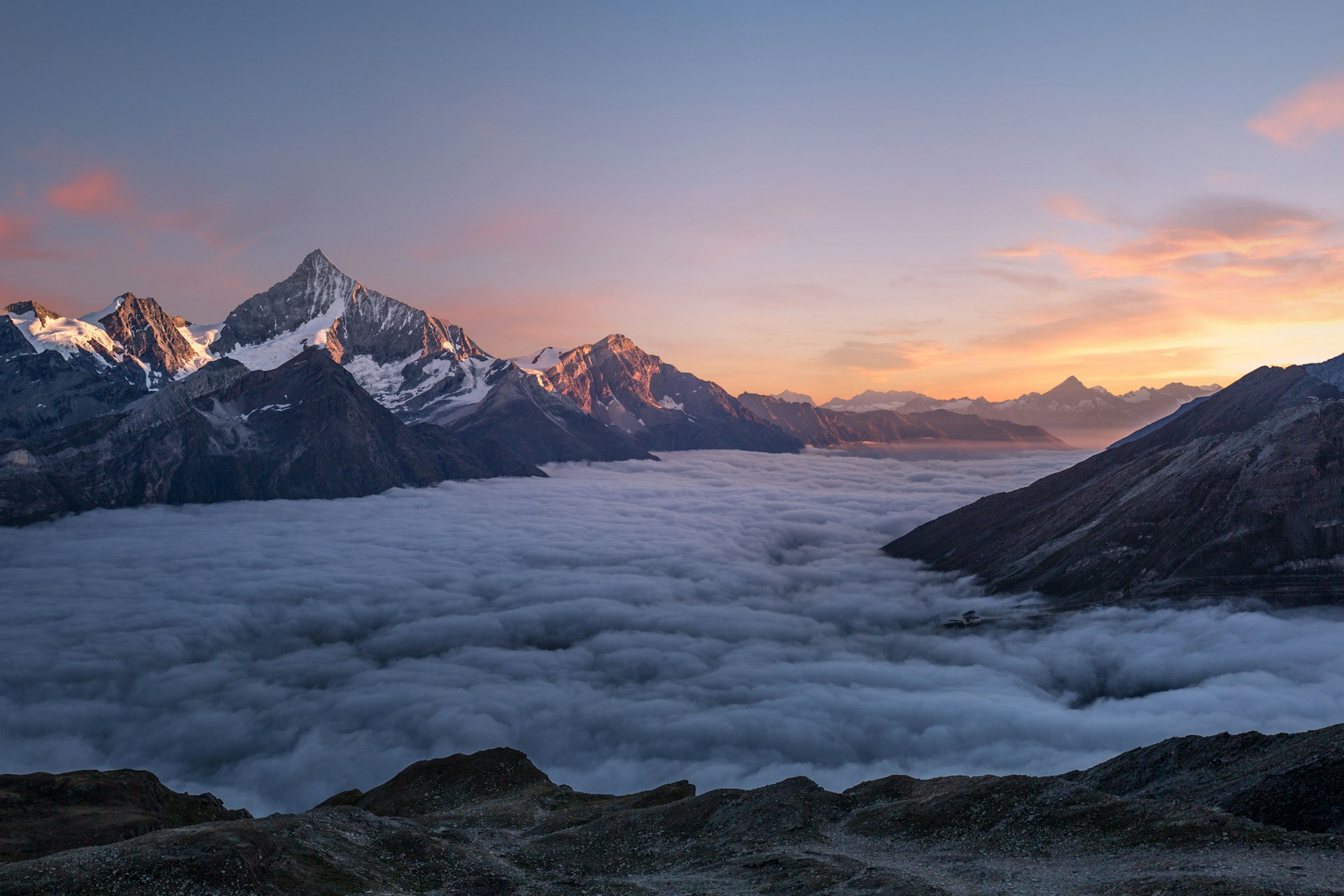
The route from Jispa through Shinku La and down into the Zanskar valley floor is one of the most remote stretches of motorable road in the Indian Himalayas. For the first 40 kilometres after crossing the pass you will see no other vehicles. The landscape changes entirely — the green of Lahaul disappears and you drop into the moonscape that defines Zanskar, a high-altitude desert where the cliffs are orange and rust and the river is bright blue and the two colours together look like something a painter would be proud of.
Phugtal Monastery is built into the cliffside above the Tsarap River in the Lungnak Valley. It has been there in some form for roughly 2,500 years. The road ends 4 kilometres short of it — you park the bike and walk in. The monks live there year-round. In winter, when Zanskar is completely cut off from the rest of Ladakh and the Zanskar River freezes solid, the Chadar Trek is the only way in or out. The monks have been managing this isolation for centuries.
Padum is the administrative capital of Zanskar, which gives you some idea of how remote the valley is — the capital has a few hundred people, a handful of guesthouses, and one small market. From Padum, the circuit continues north through Singe La and Sirsir La on a road that the maps mark as existing and that does, in fact, exist, though not in the way maps imply. This section is the one riders remember most.
Why This Route?
Because Zanskar is what Ladakh looked like before Royal Enfield convoys found it. The roads demand proper off-road ability and the altitude demands genuine acclimatisation — which means most large group operators skip it entirely. The riders who get here are the ones who planned ahead and actually wanted to be in a place like this.
Expedition Stats
- Best Season: June to September (Shinku La opens mid-June depending on snowfall, closes by mid-October)
- Duration: 12 to 16 Days
- Difficulty: Challenging
- Terrain: Mix of broken tarmac, deep gravel, seasonal river crossings, and steep scree descents across multiple high passes
Sample Itinerary Outline
All our journeys are entirely custom. This is a taste of what your expedition could look like.
Days 1-2: Acclimatisation in Leh or Manali
Depending on your entry point, we spend two full days at altitude before touching the high passes. This is not optional. Zanskar crosses passes above 16,000 feet and the body needs time to adjust before it is asked to do that. We use the acclimatisation days to check the bikes, go through the permits, and do a short ride to understand how the Himalayan handles at altitude.
Days 3-5: Shinku La and the Descent into Zanskar
The crossing from Jispa to Purne via Shinku La takes most of a long day. The pass itself is a sharp climb on a loose surface with a drop on one side that focuses the mind. The descent into the valley floor is where Zanskar first reveals itself — the colour change is dramatic and immediate. We spend the night at Purne, a village of a few dozen people at the start of the Lungnak Valley, and walk in to Phugtal Monastery the next morning.
Days 6-9: Padum, the Sani Lake, and the Karsha Monastery Circuit
Padum is the base for two or three days of riding and exploring the central valley. Karsha Monastery sits on a hillside above the village of the same name across the river from Padum — the oldest and largest monastery in Zanskar, with murals that date back to the 10th century and a resident community of monks who go about their day with no particular interest in tourists. Sani Lake nearby is a green shallow pool at 11,800 feet surrounded by the kind of silence that makes you stop talking.
Days 10-13: The Singe La Circuit — The Hard Part
The road north from Padum through Singe La at 16,100 feet and Sirsir La at 15,800 feet connects back to the Leh-Kargil highway via Rangdum Monastery. This section is 70 percent off-road. The Singe La crossing involves a section of deep loose gravel at altitude where the bike moves sideways if you lose momentum. The reward is a completely unobstructed view of the Zanskar range from the top that riders who have been to Ladakh and Spiti consistently say is unlike anything else they have seen in India.
What's Covered
- Royal Enfield Himalayan 450
- Inner Line Permits for restricted Zanskar districts
- Expert Mechanic and 4x4 Support Vehicle
- All Fuel (including reserves for sections between fuel stops)
- Local Homestays and Tent Camps in Zanskar
- Phugtal Monastery guided walk
Zanskar is administratively part of Ladakh and the two are often combined into a single 18-22 day expedition for riders with sufficient time.
Zanskar Expedition - Questions
How does Zanskar compare to standard Ladakh for motorcycle touring?
Zanskar is inside Ladakh administratively but requires more effort and stronger off-road consistency, especially on Singe La and Sirsir La sections. Traffic density is far lower than the standard Ladakh circuit.
Can the Phugtal Monastery be reached by motorcycle?
No. The final 4 km section is on foot via cliffside trail above the Tsarap gorge. The approach walk is part of the experience and cannot be bypassed by motorcycle.
What is the Chadar Trek and is it related to this route?
Chadar is a winter ice trek on the frozen Zanskar River (January-February). Our motorcycle route is a summer activity (June-September). Some riders combine both in separate seasons.
- Route information verified by our team on the ground.
Ready to ride Zanskar?
This is one of our most demanding expeditions. Tell us your dates and riding background and we'll tell you honestly whether it is the right fit.
Start Planning