Riding the Konkan Coast: The Ferry Crossings That Make This Route
Last updated:
The Konkan Creeks
The Konkan coast between Mumbai and Goa is cut by a series of creeks, tidal rivers, and estuaries running east from the Western Ghats to the Arabian Sea. The National Highway 66 bridges most of them — but the interior roads, which are the better roads for motorcycle riding, cross these waterways on ferries that have been running on the same routes for 50–80 years.
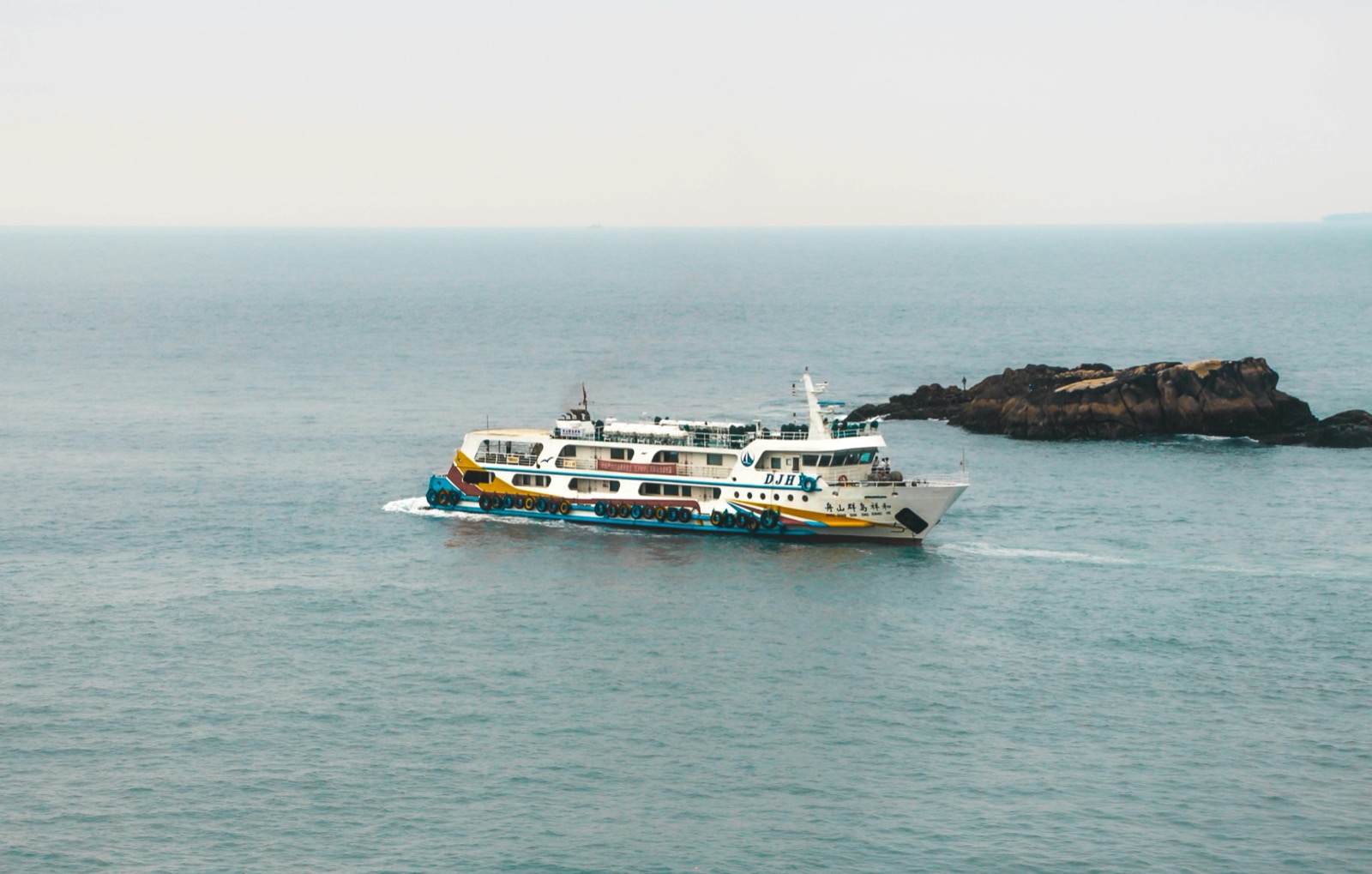
There are eleven of these ferry crossings between Alibag and Goa that are relevant to a motorcycle route. Not all of them are on the most direct road south. The logic of taking them is not efficiency — it is the ferry itself. Loading a motorcycle onto a flat wooden barge with 15 other passengers, crossing a tidal creek with the mangroves on both banks and a kingfisher on a post in the middle, and arriving at a village on the other side that has no tourist accommodation and no reason to expect you — that is the specific experience that makes the Konkan coast different from other coastal routes in India.
The Main Crossings
Mandwa–Rewas (Mumbai harbour approach)
This is where a Konkan expedition typically begins — the MTDC ferry from the Gateway of India in Mumbai to Mandwa across the harbour. The crossing is 25 km and takes 90 minutes on the large catamaran. The motorcycle goes in the vehicle hold; you go on deck. Mumbai's skyline recedes to the north and the Konkan begins. Cost: approximately ₹300–400 per motorcycle plus rider, 2025 rates.
Dabhol Ferry (Velneshwar to Jaigad)
This is the best crossing on the route. The Dabhol ferry loads 2–3 motorcycles on a flat wooden boat with a hand-turned engine mounted at the stern. The crossing is 800 metres across the Vashishti River estuary. On the Jaigad side is a Portuguese-era fort on the headland above the creek mouth, a small fishing harbour, and a village that has no reason for tourists to visit and therefore has none. Cost: approximately ₹30–50 per motorcycle, 2025 rates.
Kadwad Ferry (Ratnagiri district)
Kadwad is a small crossing south of Ratnagiri that connects two fishing village roads. The boat holds one motorcycle. The crossing is 400 metres. The ferryman is named Govind and has been running this boat for 22 years. The village on the south side has a lunch dhaba that serves malvani fish curry at approximately ₹120 per plate and is open when the fishing boats are in.
Terekhol Ferry (Maharashtra–Goa border)
The Terekhol (or Tiracol) ferry is at the northern tip of Goa, crossing the Terekhol River from Keri on the Maharashtra side to the Goa side. The Terekhol Fort above the crossing is Portuguese (1746), converted to a heritage guesthouse, and has the only accommodation option directly at the crossing point. Cost: approximately ₹50–70 per motorcycle, 2025 rates.
Practical Information for Ferry Crossings
| Crossing | State | Operating Hours | Cost (approx.) | Motorcycle capacity |
|---|---|---|---|---|
| Mandwa–Rewas | Maharashtra | 6am–9pm | ₹300–400 | 4–6 per trip |
| Dabhol (Velneshwar–Jaigad) | Maharashtra | 7am–7pm | ₹30–50 | 2–3 per trip |
| Kadwad | Maharashtra | 7am–6pm | ₹20–30 | 1 per trip |
| Terekhol | Goa/Maharashtra | 6:30am–9:30pm | ₹50–70 | 3–4 per trip |
The Villages You Find
The Konkan ferry crossings matter not just for the crossing but for the villages on the far side. The NH-66 bridges connect the district highways and the tourist infrastructure runs along them. The ferry crossings connect the interior village roads, and those villages have not had their character altered by tourism because no organised tourism reaches them.
Jaigad village — reachable only via the Dabhol ferry or a very long detour around the creek — has the fort, the fishing harbour, and a bajri (millet) bhakri lunch that is specific to the Malvan region. The fort's walls are intact, the view from the rampart is across the creek mouth to the open sea, and the two fishermen who were sitting at the base of the wall when we visited had never spoken to a foreign motorcyclist before.
Season and Weather
The Konkan coast is at its best November to February — post-monsoon, the vegetation is intensely green, the temperatures are comfortable (28–32°C on the coast), and the roads are clear of the July-August flooding damage that can close sections for weeks. October is the transition month — still occasional rain, but the landscape is at its greenest and the sea is calming down after the monsoon swell. March to May is hot (35–38°C) and riding is manageable in the early morning but uncomfortable by midday.
The western Ghats section inland from the coast — Amboli, Radhanagari, Cotigao wildlife sanctuary near Goa — are accessible in the same window. The forest roads are best in November-December when the post-monsoon growth is in place but the roads themselves have dried.